How to Prep Exterior Walls for Painting With a Pressure Wash
Repainting the exterior of a home in Cairns requires meticulous preparation. In a tropical climate characterised by heavy seasonal downpours, high humidity, and intense sun exposure, paint finishes must endure harsh environmental conditions. The longevity of any exterior paint job relies heavily on surface preparation, and pressure washing is the most efficient and effective method to achieve a clean, paint-ready substrate.

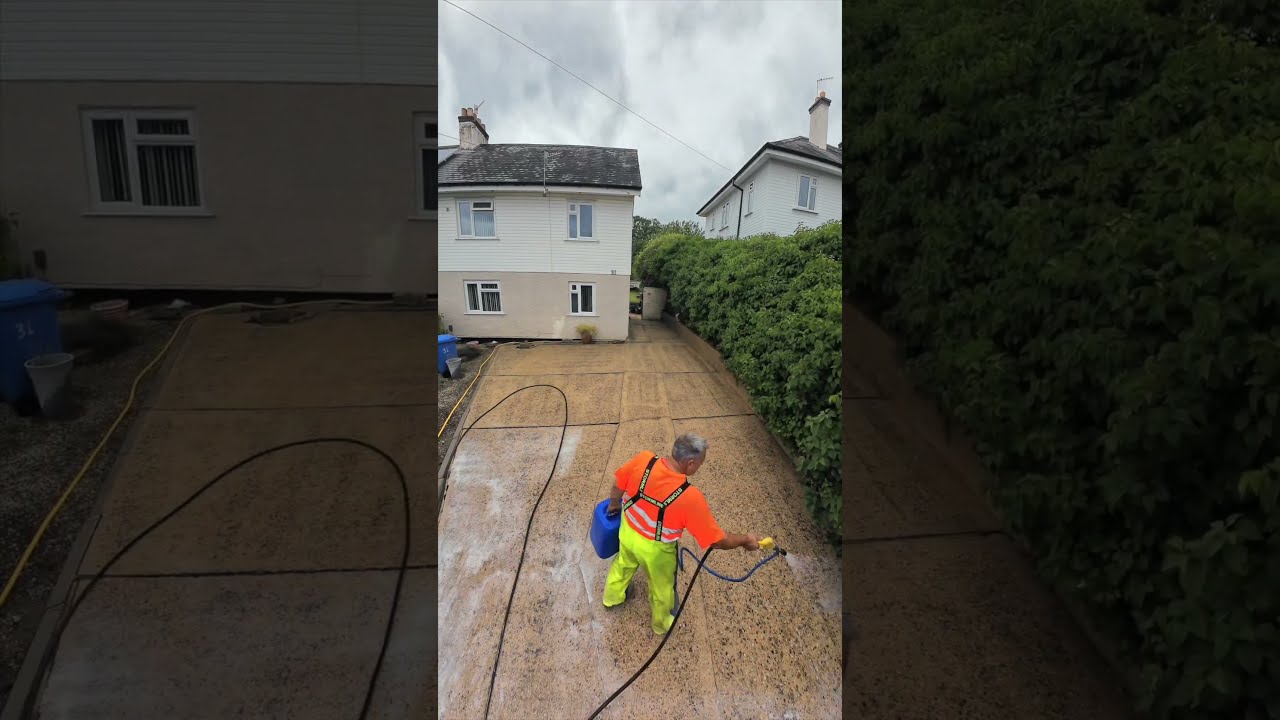
Why Pressure Washing is Essential in Tropical Climates
Over time, exterior walls accumulate layers of dirt, road grime, salt residue, https://garrettuydv926.clearminster.com/posts/how-wet-season-humidity-impacts-outdoor-mold-growth-in-cairns and chalked paint residue caused by UV breakdown. In Far North Queensland, the combination of warmth and moisture also fosters rapid growth of mould, mildew, lichen, and algae. If you apply a fresh coat of acrylic or elastomeric paint directly over these contaminants, the coating cannot properly adhere to the substrate, leading to premature blistering, peeling, and flaking within months.
High-pressure cleaning strips away loose paint, degreases surfaces, and flushes organic spores out of porous materials such as rendered masonry, brick, and fibre-cement sheeting. When executed properly, pressure washing creates the optimal profile for primer and paint bonding.
Step-by-Step Pressure Washing Preparation Process
To achieve professional results without causing surface damage, follow this structured preparation process:
- Inspect the substrate and secure the perimeter: Walk around the property to check for structural cracks, rotted timber weatherboards, or failing mortar. Cover outdoor electrical outlets, external air conditioning units, and delicate foliage with waterproof plastic sheeting. Close all windows and doors tightly.
- Apply an anti-fungal pre-treatment: Water pressure alone will not eradicate microscopic fungal roots embedded in rendered walls. Apply a targeted, eco-friendly mould and mildew treatment formulated for exterior walls. Allow the solution to dwell for 10 to 15 minutes to break down organic growth at a cellular level.
- Select the correct nozzle and pressure settings: Rendered blockwork and concrete can handle moderate-to-high pressure (between 1,500 and 2,200 PSI) with a 25-degree or 40-degree fan nozzle. For timber weatherboards, reduce pressure to 1,000 to 1,200 PSI to avoid gouging the grain or driving water behind overlapping boards.
- Wash systematically from top to bottom: Work in manageable horizontal sections, maintaining a steady distance of roughly 25 to 30 centimetres from the wall. Overlap each stroke to avoid leaving zebra striping on the surface. Direct water slightly downward to prevent pushing moisture into horizontal joints and wall cavities.
- Rinse thoroughly with clean water: Complete a final rinse with low-pressure fresh water to flush away dislodged debris, dead mould spores, and detergent residues that could interfere with paint chemistry.
Crucial Precautions for Cairns Properties
While pressure washing accelerates paint prep, improper technique can cause costly structural damage. Keep these vital safety and operational considerations in mind:
- Identify potential lead paint: Many older Queenslanders and pre-1970s residences in Cairns contain lead-based paint. High-pressure washing must never be used on chalking or peeling lead paint, as it aerosolises hazardous toxins. Confirm the substrate safety with a lead test kit before commencing.
- Protect delicate materials: Avoid direct high-pressure contact with window seals, flashings, soft timber mouldings, and architectural trims to prevent water ingress into interior wall cavities.
- Allow adequate drying time: Given Cairns' elevated relative humidity levels, rendered walls and timber claddings need sufficient time to dry completely. Trapping residual moisture underneath a new coat of exterior paint causes bubbling as internal water vaporises in the heat.
Next Steps: Moving from Washing to Painting
Once washing is complete, monitor wall moisture before opening paint tins. Use a calibrated moisture meter to verify that moisture content has dropped below manufacturer-recommended thresholds (typically under 12% to 15% for masonry). After the walls are bone-dry, fill remaining cracks with flexible exterior gap sealant, spot-prime bare substrates, and proceed with applying your high-grade exterior coating system.

Expert Pressure Cleaning Cairns
(07) 4058 8889